Kindly engage with the content of unit 3 and do all related activities.
7. Connectivism as a Theory of Learning
7.2. What are nodes and links in connectivism?
To understand connectivism, you have to think like a network engineer. The theory of connectivism relies heavily on the metaphor of a network with nodes and links.
- Nodes: A node can be anything that holds information. This could be a person, a book, a website, a database, a video, or an organization. In a classroom setting, every student is a node, as is the teacher and the textbook.
- Links: A link is the connection between these nodes. Learning happens when you create a link. For example, when a student follows an expert on social media, they create a link to a new node.
The strength of your learning depends on the diversity and quality of your network. If your nodes are all similar (e.g., you only get news from one website), your network is weak. If your nodes are diverse and interconnected, your capacity for learning and problem-solving expands significantly.
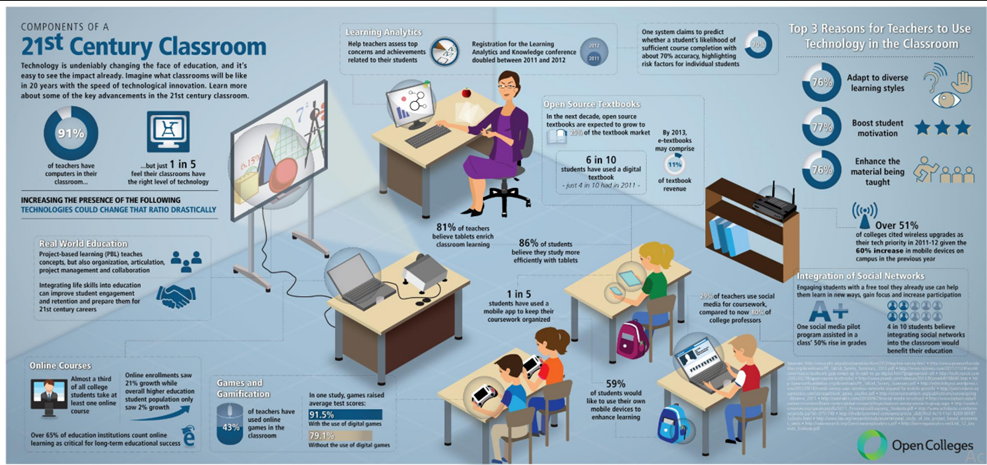
Connectivism aligns strongly with 21st-century skills, including digital literacy, critical thinking, communication, and collaboration. It is particularly relevant in contexts where technology is increasingly integrated into education systems. However, its application requires careful consideration of challenges such as unequal access to technology, varying digital competencies among learners, and the need for teacher training.