
Section outline
-
-
-
-
-
-
-
-
-
-
Students mustMark as done12.8 MB
-
-
-
Students mustMark as done
The DHS and the CFSVA use a set of indicators to capture different aspects of malnutrition (i.e. dietary intake, anthropometry, socioeconomic status, etc.). Discuss and justify the use of those indicators in context of Rwanda.
This is a group work ( 4-5 students ). Use google docs to work collaboratively.
-
-
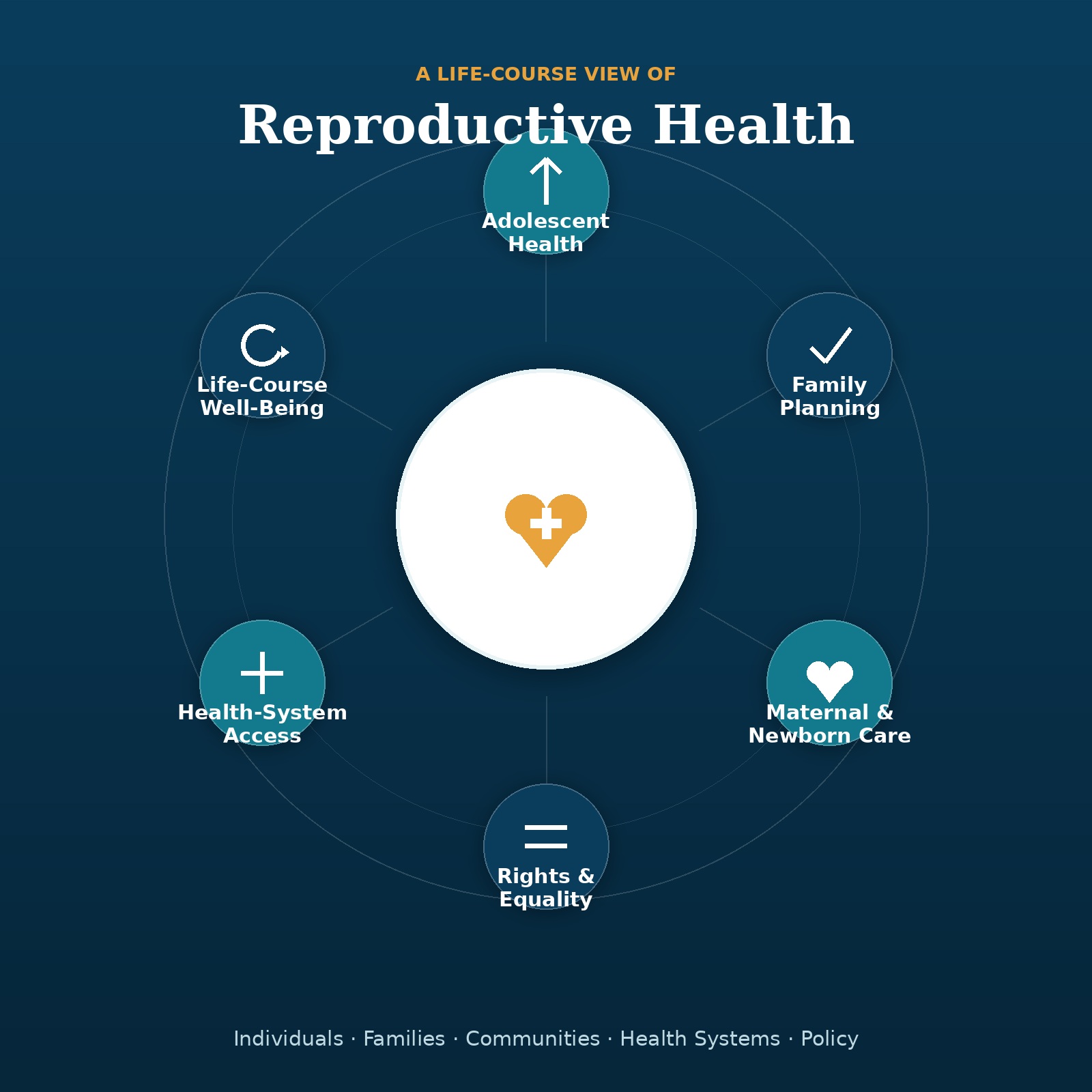
Aim
To enhance you understanding of sexual and reproductive health and its importance in improving population health outcomes.Learning Outcomes
By the end of this teaching unit, you will be able to:- define reproductive health
- know the historical development of RH
- understand magnitude of RH problems
- understand the relationship of reproductive health and gender
- know the targets of reproductive health
- explore the components of Sexual and Reproductive Health, trends in sexual and reproductive health, and reproductive health indicators.
-
-
-
- Why should reproductive health be treated as a population-health priority in Rwanda's health system?
- How do gender norms and social determinants shape reproductive-health outcomes in your community?
- What would it take to close the antenatal-care and unmet-need gaps shown in this lecture?
- How can health systems better involve men and adolescents in reproductive-health programming?
- Which SRHR principle do you see most often denied in practice — and why?